
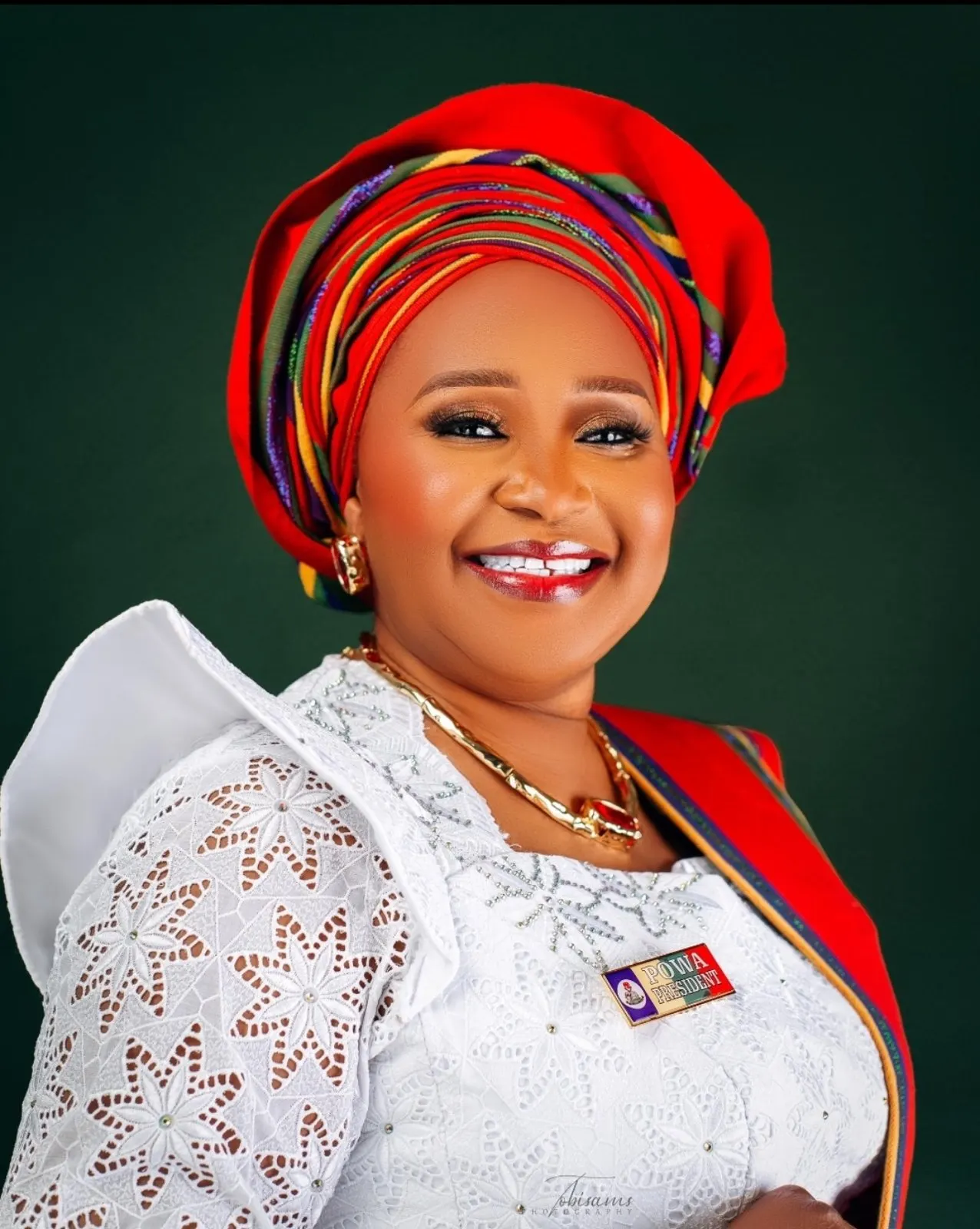
Dr Elizabeth Egbetokun, National Advocate for Young Women in Agriculture

UNESCO REF Appoints Dr Elizabeth Egbetokun as National Advocate for Young Women in Agriculture

UNESCO REF Appoints Dr Elizabeth Egbetokun as National Advocate for Young Women in Agriculture

The DispatchUNESCO REF Media Centre · EISSN 3156-55574 min read

UNESCO REF Media Centre | Institutional Archives

The President of the Police Officers’ Wives Association becomes the national voice of an initiative to bring 12 million young Nigerian women into agriculture.

ABUJA, Nigeria, 19 July 2023. The Read and Earn Federation for UNESCO (UNESCO REF) today announced the appointment of Dr (Mrs) Elizabeth Egbetokun, President of the Police Officers’ Wives Association of Nigeria (POWA), as National Advocate for the Young Women in Agriculture (YWA) initiative. The appointment reflects the commitment of UNESCO REF to women’s leadership in agriculture, to national food security and to the empowerment of a new generation of women farmers and agricultural entrepreneurs.

Global alignmentAlignement mondialThe global commitments this story advances. Open to see how.
  • SDG5

    SDG 5, Gender Equality

    ProvisionTarget 5.5: women’s full participation and equal opportunities for leadership

    How the appointment respondsPlaces a woman leader at the head of national advocacy

  • SDG2

    SDG 2, Zero Hunger

    ProvisionTarget 2.3: raise the productivity and incomes of women food producers

    How the appointment respondsMobilises women into productive agriculture

  • SDG17

    SDG 17, Partnerships for the Goals

    ProvisionTarget 17.17: effective public and civil society partnerships

    How the appointment respondsJoins UNESCO REF to a national association with nationwide reach

An appointment of national purpose

Une nomination d’intérêt national

The appointment of a National Advocate is among the most significant decisions UNESCO REF takes in the life of a national initiative. The National Advocate carries the public voice of the initiative, represents it before government, traditional institutions and civil society, and inspires the participation of those it is designed to serve. In appointing Dr Egbetokun, the Federation entrusted that responsibility to a leader whose standing, experience and national network are commensurate with the scale of the initiative.

As President of the Police Officers’ Wives Association, Dr Egbetokun leads one of the oldest and most extensive women’s associations in the Federation, with a permanent structure in every State. That structure gives the initiative an immediate and dependable means of reaching women in cities, towns and rural communities across the country.

The mandate of the National Advocate

Le mandat de l’Ambassadrice nationale

Under the terms of her appointment, the National Advocate will champion programmes that encourage young women to embrace agriculture as a profession and an enterprise; engage traditional rulers, State Governments and civil society so that agricultural initiatives answer the needs and circumstances of local communities; and support the implementation of the agriculture and youth advancement categories of the Strategic Intervention Programme ALPHA across Nigeria.

The mandate places particular emphasis on mobilisation and inclusion: ensuring that young women in every zone of the Federation know of the initiative, understand its benefits and are supported to take part.

Why advocacy matters

Pourquoi le plaidoyer est essentiel

Advocacy is not an ornament to a national programme; it is a condition of its success. Initiatives that seek to change patterns of participation in a sector as large and as traditional as agriculture must persuade as well as provide. Young women must be convinced that agriculture offers them a future; families must be assured that it is a worthy path; and communities, traditional rulers and governments must be engaged as partners rather than spectators.

The National Advocate carries that work of persuasion. Through public engagement, partnership with traditional institutions and the reach of a national association, she gives the initiative a human face and a trusted voice, and helps to translate a national policy objective into a decision that millions of young women can make for themselves.

A strategic appointment

Une nomination stratégique

The President of UNESCO REF, Prince Abdulsalami Ladigbolu-Oranmiyan, described the appointment as strategic: “Dr Elizabeth Egbetokun brings not only vision and dedication, but a personality that radiates confidence, compassion, and strength. Working with her is an advantage for UNESCO REF and for Nigeria, because she embodies the bridge between leadership and grassroots mobilisation. Through POWA’s permanent structure across the Federation, she has the unique ability to reach women in every corner of the country. This network will contribute meaningfully to mobilising women for agriculture, ensuring that no community is left behind. Her appointment is not just symbolic, it is strategic.”

Acceptance

Acceptation

In accepting the appointment, Dr Egbetokun said: “I am deeply honoured to serve as UNESCO REF’s National Advocate for Young Women in Agriculture. This role is not about me, it is about the millions of young women whose hands till the soil, whose resilience feeds families, and whose dreams deserve to be nurtured. With UNESCO REF’s vision, and with the permanent nationwide structure of POWA as a backbone, we will mobilise women across Nigeria to see agriculture not as survival, but as opportunity, dignity, and prosperity. Together, we will plant seeds of change that will grow into a harvest of hope for generations to come.”

The record of service

Le bilan de service

In the period since her appointment, the National Advocate has led the grassroots mobilisation of the initiative across the Federation. Under her leadership, POWA chairpersons in every State were designated as contact points for the initiative; the Soil to Security Campaign was launched; and Soil to Security Cells were established across the local government areas of the Federation and within the civil service. She addressed the National Flag-Off of the 12 Million Mobilisation Campaign on International Women’s Day 2025.

The appointment reflects a principle that guides UNESCO REF in all its national initiatives: that women’s leadership is central to sustainable development, consistent with SDG 5 and the commitment of the 2030 Agenda to the full and effective participation of women in public life. This record is entered in the Institutional Archives of the UNESCO REF Media Centre.

■

Notes to editorsNotes aux rédactions

About Young Women in Agriculture. Young Women in Agriculture (YWA) is a national empowerment initiative of UNESCO REF under the Strategic Intervention Programme ALPHA (SIP-ALPHA). It seeks to mobilise 12 million young Nigerian women, two million from each geopolitical zone, into agriculture as producers, entrepreneurs and leaders. Read more on the YWA page.

About POWA. The Police Officers’ Wives Association of Nigeria is a national association with a permanent structure across the Federation.

About UNESCO REF. The Read and Earn Federation for UNESCO (UNESCO REF) is a multidimensional and multisectoral development institution established in 2009 within the provisions of UNESCO, as authorised by the 13th Session of the UNESCO General Conference, Paris, 1964, and constituted through the National Commission for UNESCO, Nigeria. It works in education, culture, youth development and the advancement of the Sustainable Development Goals.

Media enquiries. UNESCO REF Media Centre, info@unescoref.org
SourcesSources
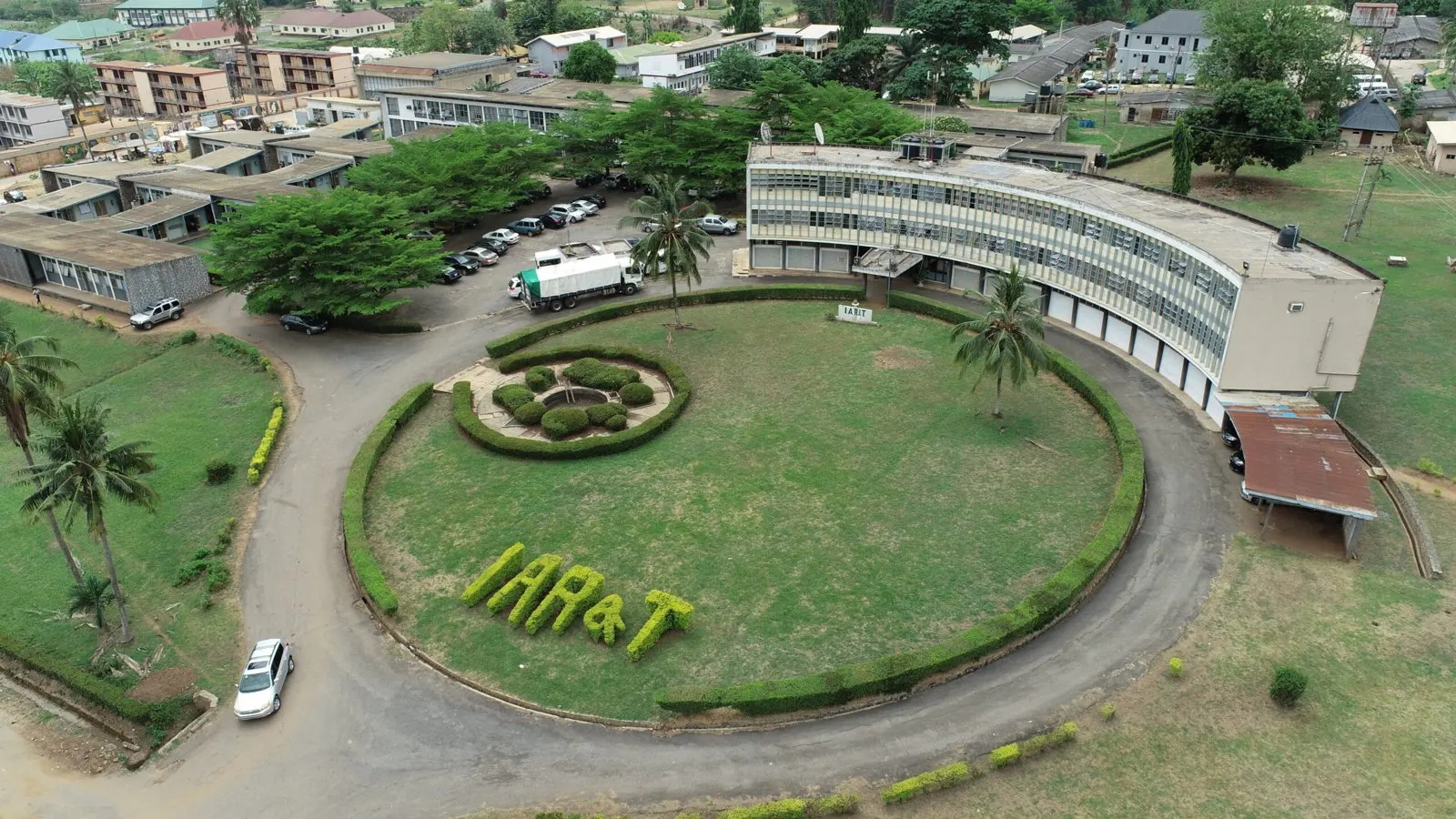
Headquarters of the Institute of Agricultural Research and Training, Moor Plantation, Ibadan

UNESCO REF, POWA and IAR&T Sign Memorandum of Understanding to Strengthen Research for Young Women in Agriculture

UNESCO REF, POWA and IAR&T Sign Memorandum of Understanding to Strengthen Research for Young Women in Agriculture

The DispatchUNESCO REF Media Centre · EISSN 3156-55574 min read

UNESCO REF Media Centre | Institutional Archives

A memorandum signed in Abuja joins the global vision of UNESCO REF, the nationwide reach of the Police Officers’ Wives Association and the scientific expertise of the Institute of Agricultural Research and Training in support of Young Women in Agriculture.

ABUJA, Nigeria, 16 July 2023. The Read and Earn Federation for UNESCO (UNESCO REF), the Police Officers’ Wives Association (POWA) and the Institute of Agricultural Research and Training (IAR&T), Obafemi Awolowo University, today signed a Memorandum of Understanding in Abuja to strengthen the Research and Development Unit of the Young Women in Agriculture (YWA) initiative. The signing was witnessed by the Inspector-General of Police, and attended by Dr Elizabeth Egbetokun, President of POWA, Professor Veronica Obatolu, Director of IAR&T, and Prince Abdulsalami Ladigbolu-Oranmiyan, President of UNESCO REF.

Global alignmentAlignement mondialThe global commitments this story advances. Open to see how.
  • SDG2

    SDG 2, Zero Hunger

    ProvisionTarget 2.a: increase investment in agricultural research and technology development

    How the agreement respondsBuilds a dedicated research and development unit for a national programme

  • SDG5

    SDG 5, Gender Equality

    ProvisionTarget 5.b: enhance the use of enabling technology to promote the empowerment of women

    How the agreement respondsBrings modern agricultural knowledge and technology to young women

  • SDG4

    SDG 4, Quality Education

    ProvisionTarget 4.4: increase the number of youth and adults with relevant skills

    How the agreement respondsTranslates research into practical training

  • SDG17

    SDG 17, Partnerships for the Goals

    ProvisionTarget 17.17: effective public and civil society partnerships

    How the agreement respondsJoins a research institute, a national association and UNESCO REF

The purpose of the Memorandum

L’objet du Mémorandum

The Memorandum establishes the institutional foundation for the Research and Development Unit of the Young Women in Agriculture initiative. It is designed to ensure that young women across Nigeria have access to current agricultural knowledge, modern farming technologies and evidence-based practice, and that the training, standards and technical guidance of the initiative rest on sound science.

The agreement brings together three complementary institutional capacities. UNESCO REF contributes programme leadership, strategic coordination and alignment with the Sustainable Development Goals. The Police Officers’ Wives Association contributes a permanent nationwide structure capable of mobilising women in every State of the Federation. The Institute of Agricultural Research and Training contributes the scientific expertise, field stations and research capacity of one of Nigeria’s foremost agricultural research institutions.

UNESCO REF regards this division of responsibility as a model for the delivery of national programmes: each partner contributes what it does best, within a common framework of accountability and a shared commitment to measurable results.

Research in the service of practice

La recherche au service de la pratique

Dr Elizabeth Egbetokun, President of POWA and National Advocate for Young Women in Agriculture, described the Memorandum as a landmark: “This MoU is a landmark step. By bringing together UNESCO REF’s global vision, POWA’s grassroots mobilisation, and IAR&T’s scientific expertise, we are building a foundation where research directly empowers practice. Our young women will not only farm, they will innovate, lead, and transform agriculture in Nigeria.”

Professor Veronica Obatolu, Director of IAR&T, reaffirmed the commitment of the Institute: “Our role is to ensure that research outcomes are not confined to laboratories but reach the fields where young women are working. This partnership will bridge the gap between science and society, creating a new generation of women farmers who are also knowledge-driven entrepreneurs.”

The statement of the Director goes to the heart of a long-standing challenge in agricultural development. The value of research is realised only when its findings are adopted by farmers. By placing the Institute at the centre of a national programme with nationwide reach, the Memorandum creates a direct channel from the laboratory and the field station to the farm.

A catalyst for delivery

Un catalyseur pour la mise en oeuvre

Speaking as National Coordinator of the initiative, the President of UNESCO REF, Prince Abdulsalami Ladigbolu-Oranmiyan, described the Memorandum as a catalyst for delivery: “In my role as National Coordinator, I stand at the heart of this initiative, uniting partners, driving momentum, and ensuring delivery. Our mission is to turn research into real-world solutions, to uphold accountability at every step, and to guarantee that innovation reaches the hands of young women across Nigeria. This is how we transform knowledge into power, and power into progress.”

Under the framework of the Memorandum, the Institute assumed responsibility for the scientific content of the initiative, including curriculum development, agronomic standards and the integration of climate-smart practice. It has since affirmed that responsibility at successive milestones of the initiative, including the National Flag-Off of the 12 Million Mobilisation Campaign on International Women’s Day 2025.

The Research and Development Unit

L’Unité de recherche et développement

The Research and Development Unit established under the Memorandum serves as the scientific conscience of the initiative. Its functions include the review of training content against current agronomic evidence; the adaptation of production techniques, including hydroponic and climate-smart methods, to the agro-ecological conditions of the different zones of the Federation; and the provision of technical guidance to trainers and beneficiaries. In this way the Unit helps to ensure that every young woman trained through the initiative receives instruction that is accurate, current and appropriate to Nigerian conditions.

Alignment with national and global commitments

Alignement sur les engagements nationaux et mondiaux

The partnership contributes directly to SDG 2, Zero Hunger, and SDG 5, Gender Equality, and supports the national response to the state of emergency on food security declared by the Federal Government in July 2023. It reflects the commitment of the UNESCO family to science in the service of society, and the recognition, shared across the 2030 Agenda, that agricultural research and the empowerment of women are among the most effective investments a nation can make in its food security.

An enduring institutional relationship

Une relation institutionnelle durable

The Memorandum marked the formal beginning of an enduring institutional relationship between UNESCO REF and the Institute of Agricultural Research and Training. That relationship was reaffirmed in January 2026, when the newly appointed Executive Director of the Institute pledged its continued support for the Young Women in Agriculture initiative.

This record is entered in the Institutional Archives of the UNESCO REF Media Centre.

■

Notes to editorsNotes aux rédactions

About Young Women in Agriculture. Young Women in Agriculture (YWA) is a national empowerment initiative of UNESCO REF under the Strategic Intervention Programme ALPHA (SIP-ALPHA). It seeks to mobilise 12 million young Nigerian women, two million from each geopolitical zone, into agriculture as producers, entrepreneurs and leaders. Read more on the YWA page.

About IAR&T. The Institute of Agricultural Research and Training, Moor Plantation, Ibadan, is a Nigerian agricultural research institute affiliated with Obafemi Awolowo University, Ile-Ife.

About POWA. The Police Officers’ Wives Association of Nigeria is a national association with a permanent structure across the Federation.

About UNESCO REF. The Read and Earn Federation for UNESCO (UNESCO REF) is a multidimensional and multisectoral development institution established in 2009 within the provisions of UNESCO, as authorised by the 13th Session of the UNESCO General Conference, Paris, 1964, and constituted through the National Commission for UNESCO, Nigeria. It works in education, culture, youth development and the advancement of the Sustainable Development Goals.

Media enquiries. UNESCO REF Media Centre, info@unescoref.org

SourcesSources